



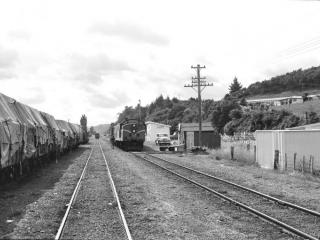
Travel along a piece of New Zealand's rich rail history, experience natural beauty and adventure from the comfort of a rail-cart.
Rail
Awakeri Rail Adventures is the new tourist activity that allows people just like you the ability to travel along railway lines in your own powered self-drive, 4-seat railway vehicle called the Rail Cart.
River Edge Miniature Railway is owned and operated by the Eastern Bay of Plenty Model Engineers Society Inc and provides relaxed fun for the whole family.
Looking for rail services in Whakatāne? You've come to the right place. Whakatāne's relationship with rail involves historical connections and heritage rather than current passenger services. The town's railway history reflects regional development patterns with rail once playing important roles in transportation and industry. While passenger rail services no longer operate to Whakatāne, the railway heritage remains part of local history with former railway buildings, infrastructure, and stories contributing to community character.
Railway history in Whakatāne connects to the East Coast Main Trunk line development and branch lines serving the Eastern Bay of Plenty. Historical rail services transported passengers and freight supporting regional economic activities including timber and agricultural industries. Understanding railway heritage provides insights into historical transportation patterns and economic development. Former railway land and buildings now serve different purposes whilst retaining historical significance.
Our directory connects you with information about rail heritage, historical railway sites, and transportation history in Whakatāne. Whether you're interested in railway history, researching transportation heritage, appreciating historical infrastructure, or understanding how rail shaped regional development, you'll find information about Whakatāne's railway connections and heritage with historical context explaining rail's role in the district's development and the transformation of railway infrastructure over time.
Featured Rail Listings
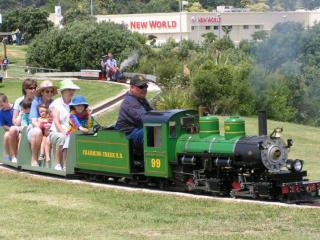
RIVER EDGE PARK MINIATURE RAILWAY
River Edge Miniature Railway is owned and operated by the Eastern Bay of Plenty Model Engineers Society Inc.
Rail Map
Introduction (200 words):
Looking for rail services in Whakatāne? You've come to the right place. Whakatāne's relationship with rail involves historical connections and heritage rather than current passenger services. The town's railway history reflects regional development patterns with rail once playing important roles in transportation and industry. While passenger rail services no longer operate to Whakatāne, the railway heritage remains part of local history with former railway buildings, infrastructure, and stories contributing to community character.
Railway history in Whakatāne connects to the East Coast Main Trunk line development and branch lines serving the Eastern Bay of Plenty. Historical rail services transported passengers and freight supporting regional economic activities including timber and agricultural industries. Understanding railway heritage provides insights into historical transportation patterns and economic development. Former railway land and buildings now serve different purposes whilst retaining historical significance.
Our directory connects you with information about rail heritage, historical railway sites, and transportation history in Whakatāne. Whether you're interested in railway history, researching transportation heritage, appreciating historical infrastructure, or understanding how rail shaped regional development, you'll find information about Whakatāne's railway connections and heritage with historical context explaining rail's role in the district's development and the transformation of railway infrastructure over time.
Railway History
Whakatāne's railway history reflects regional development and transportation evolution. The Taneatua-Whakatane section opened in 1928 extending rail access to the town. Railway services transported passengers and freight supporting economic activities. The line connected Whakatāne to the wider rail network via Taneatua. Passenger services operated for decades providing important transport links. Freight services supported local industries including timber milling and agriculture. Railway employment contributed to local economy. Services gradually declined with increasing road transport competition. Passenger services eventually ceased with the line later closing. Whether you're interested in local history, understanding transportation evolution, researching railway development, or appreciating historical infrastructure, railway history provides insights into Whakatāne's development and transportation patterns.
Former Railway Infrastructure
Former railway infrastructure remains visible throughout Whakatāne despite line closure. The former railway station building represents architectural heritage. Railway corridors now serve alternative purposes including walkways or other developments. Bridge structures might remain from railway construction. Railway land has been repurposed for various community uses. Some buildings associated with railways serve different functions. The physical remnants demonstrate historical railway presence. Understanding former infrastructure reveals how railways shaped town layout. Whether you're appreciating historical architecture, interested in infrastructure heritage, understanding town development, or exploring historical sites, former railway infrastructure provides tangible connections to Whakatāne's railway past through remaining structures and repurposed railway land.
Railway Station Heritage
The former Whakatāne railway station represents important heritage architecture. Station buildings once served passengers and railway operations. Architectural styles reflect construction era and railway design standards. The building's functions included ticketing, waiting areas, and railway administration. Station surroundings featured platforms and railway infrastructure. The building's fate following railway closure varies with some railway stations being preserved, repurposed, or demolished. Understanding station history reveals community transportation hub functions. Whether you're interested in architectural heritage, appreciating historical buildings, understanding transportation history, or exploring heritage sites, railway station buildings and sites represent significant community infrastructure from railway era reflecting transportation's central role in community life.
Rail Freight and Industry
Railway freight services supported Whakatāne's industries and economy. Timber from local mills was transported via rail to markets. Agricultural products including dairy and farming outputs used rail transport. The railway enabled economic connections beyond local markets. Freight yards and sidings served loading and unloading activities. Railway employment included freight handling and operations. Industries located near railway lines for transport access. The decline in rail freight reflected broader transportation changes. Whether you're interested in industrial history, understanding economic development, researching freight transportation, or appreciating railways' economic roles, freight services and industrial connections demonstrate railways' importance to regional economy and how rail enabled industrial development and market access.
Railway Employment and Community
Railways provided significant employment and shaped community character. Railway workers included drivers, station staff, maintenance crews, and administrators. Railway employment represented stable, skilled work. Railway families contributed to community fabric. The railway community had distinct culture and identity. Railway housing might have been provided near stations or depots. Social activities centered around railway employment. Union activities represented railway workers' interests. Railway closure affected employment and community. Whether you're researching social history, understanding employment patterns, appreciating community development, or exploring railway workers' experiences, railway employment represents important community aspect demonstrating how railways shaped not just transportation but social structures and community character.
Transportation Evolution
The decline of rail passenger services reflects broader transportation changes. Increasing private vehicle ownership reduced passenger rail demand. Road improvements made car travel more convenient. Bus services provided flexible public transport alternatives. Freight transport increasingly used road haulage. The economics of maintaining branch lines became challenging. Government policy changes affected rail service provision. The transformation from rail to road transportation reshaped regional connectivity. Whether you're interested in transportation history, understanding policy changes, appreciating infrastructure evolution, or recognizing mobility patterns, transportation evolution demonstrates how technological, economic, and policy changes transformed regional transportation from rail-focused to road-based systems affecting communities and connectivity patterns.
Railway Heritage and Preservation
Railway heritage preservation maintains connections to transportation history. Historical societies might document railway history. Photographs preserve visual records of railway operations. Oral histories capture railway workers' and passengers' memories. Some railway artefacts are preserved in collections. Historical research documents railway operations and impact. Community interest maintains railway history awareness. Digital archives increasingly make railway history accessible. Whether you're interested in heritage preservation, researching local history, appreciating historical documentation, or valuing community memory, heritage preservation efforts maintain railway history through documentation, collection, and community engagement ensuring railway era remains part of collective memory and historical understanding.
Walking and Cycling on Former Railway Corridors
Some former railway corridors have been repurposed as walking and cycling paths. Railway formations provide relatively flat, linear routes ideal for paths. The conversion creates recreational opportunities from former transport infrastructure. Paths might connect communities along former railway routes. The heritage aspect adds historical interest to recreational use. Understanding railway history enriches path use. Adaptive reuse demonstrates sustainable infrastructure transformation. Not all former railway land becomes public paths with various alternative uses. Whether you're walking, cycling, interested in adaptive reuse, or appreciating recreational infrastructure, former railway corridors sometimes provide valuable recreational paths demonstrating how historical transport infrastructure finds new community purposes.
Railway in Local Museums
Local museums preserve and interpret railway history for communities. Collections might include railway artefacts, photographs, and documents. Displays explain railway operations and community impact. Personal stories from railway era are preserved. The railway period represents important historical chapter. Museum interpretation helps younger generations understanding pre-car transportation. Railway exhibits connect to broader local history narratives. Whether you're visiting museums, researching railway history, wanting to learn about transportation heritage, or appreciating historical interpretation, museum collections and displays preserve railway history through artefacts and stories ensuring railway era remains accessible to contemporary audiences understanding how railways shaped regional development.
Current Transportation Options
While rail passenger services no longer serve Whakatāne, alternative transportation exists. Road transport provides primary connectivity. Bus services offer public transport options. Private vehicles remain dominant transportation mode. Freight transportation uses road haulage. The highway network connects Whakatāne regionally and nationally. Transportation planning focuses on road infrastructure. Understanding current transportation helps appreciate infrastructure needs. Whether you're requiring transportation information, planning travel, understanding current connectivity, or recognizing transportation infrastructure, current transportation systems demonstrate how post-rail era mobility functions through road-based systems providing the connectivity railways once offered with contemporary infrastructure meeting modern transportation needs through alternative modes and systems.