
BOP Helicopters, your go-to local operator for all helicopter operations. From scenic flights to precision lifting, we offer a vast range of services.
Whale Island - Moutohora
Looking for Whale Island (Moutohora) in Whakatāne? You've come to the right place. Moutohora (Whale Island) is a significant wildlife sanctuary and conservation reserve located offshore from Whakatāne. This predator-free island provides protected habitat for endangered native species including tuatara, native birds, and distinctive flora within a carefully managed conservation environment. The island's volcanic origins, rich history, and successful conservation story make it an exceptional natural and cultural treasure accessible through strictly managed DOC-approved guided tours.
Our directory connects you with Whale Island (Moutohora) tour information and conservation details. Whether you're wildlife enthusiast wanting to see rare species, interested in conservation success stories, appreciating volcanic landscapes, seeking unique nature experiences, or wanting to understand island ecosystem restoration, you'll find comprehensive information about Moutohora with details about access, tours, wildlife, conservation significance, and the careful management protecting this important wildlife sanctuary ensuring sustainable visitation whilst maintaining the island's ecological integrity and supporting ongoing conservation efforts protecting New Zealand's endangered species through this remarkable offshore sanctuary.
Featured Whale Island - Moutohora Listings
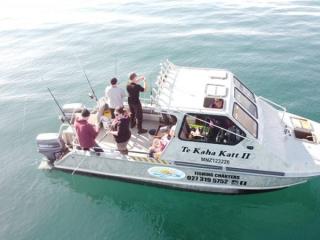
PACIFIC COAST ADVENTURES & FISHING CHARTERS
Pacific Coast Adventures offers half or full day fishing charters at the Opotiki Mussel Farm
WHITE ISLAND FLIGHTS
On route to White Island get full commentary, exceptional service, safety, and great value ensure you get the most from this experience.
Whale Island - Moutohora Listings
GOOGLE STREET VIEW WHALE ISLAND - MOUTOHORA
Take a virtual tour of Whale Island using Google Street View.
Whale Island is home to a number of rare and endangered birds and other wild life. Access to the Island is highly restricted to ensure the area remains predator free. The Department of Conservation allow some tour operators to access the area. For more information on visiting Whale Island with a tour operator click here.
Whale Island - Moutohora Map
Island Conservation Sanctuary
Moutohora operates as a strictly managed wildlife sanctuary protecting endangered species. DOC (Department of Conservation) manages the island ensuring conservation priorities. Predator-free status protects vulnerable native species from introduced mammals. The island provides safe breeding habitat for threatened wildlife. Pest eradication created the predator-free environment essential for species survival. Ongoing biosecurity prevents pest reintroduction maintaining sanctuary status. Conservation management balances protection with controlled public access. The sanctuary demonstrates successful conservation approaches. Whether you're interested in conservation, appreciating endangered species protection, understanding sanctuary management, or learning about ecosystem restoration, Moutohora represents outstanding conservation achievement through careful management creating safe habitat for vulnerable native species demonstrating New Zealand's commitment to conservation through successfully restored island ecosystems.
Tuatara Population
Moutohora hosts significant tuatara populations representing important conservation achievements. Tuatara are ancient reptiles unique to New Zealand resembling lizards but representing distinct reptile order. The island provides ideal habitat for these threatened endemic species. Tuatara lived on the island historically before predator introduction. Successful reintroduction restored populations to predator-free environments. The breeding populations ensure species survival and genetic diversity. Tuatara can live over 100 years reaching impressive sizes. Seeing tuatara represents special wildlife encounter. Whether you're wanting to see tuatara, interested in endemic species, appreciating ancient reptiles, or understanding conservation breeding, Moutohora's tuatara population provides extraordinary opportunities through guided tours revealing these remarkable ancient reptiles in protected natural habitat demonstrating successful conservation outcomes.
Native Bird Species
Moutohora supports diverse native bird populations thriving in protected environments. Seabirds including grey-faced petrels breed on the island. Native forest birds benefit from predator-free habitats. Little blue penguins nest around coastal areas. Various shorebirds utilise coastal habitats. Native pigeon (kereru) and tui inhabit forest areas. The absence of predators allows natural breeding success. Bird song creates remarkable soundscapes throughout the island. Whether you're bird watcher, appreciating native species, wanting seabird encounters, or interested in island avifauna, Moutohora's bird populations provide excellent wildlife viewing through diverse species thriving in protected habitats with predator-free conditions enabling natural population recovery creating outstanding bird watching opportunities showcasing New Zealand's distinctive native birds in recovering island ecosystems.
Volcanic Origins and Geology
Moutohora's distinctive shape results from volcanic origins and geological history. The island represents volcanic cone formed through eruption. Volcanic features demonstrate the island's fiery formation. The steep-sided cone shape characterises volcanic islands. Volcanic rock and formations reveal geological processes. Understanding volcanic origins enriches island appreciation. The geology connects to wider Bay of Plenty volcanic history. Marine erosion continues shaping coastal features. Whether you're interested in geology, appreciating volcanic landscapes, understanding island formation, or learning about volcanic processes, Moutohora's geology provides fascinating insights through visible volcanic features explaining formation with guides interpreting geological significance creating understanding of volcanic forces creating distinctive island forms throughout New Zealand's volcanic regions.
Marine Reserve
The surrounding marine reserve protects underwater ecosystems around Moutohora. The reserve prohibits fishing and harvesting protecting marine species. Kelp forests provide important habitat for marine life. Fish populations thrive in protected waters. Marine mammals including dolphins visit reserve waters. The reserve extends conservation protection beyond land. Understanding marine ecosystem importance supports ocean conservation. The integrated approach protects complete island ecosystems. Whether you're interested in marine conservation, appreciating underwater ecosystems, understanding reserve protection, or valuing complete ecosystem conservation, the marine reserve provides essential protection through fishing prohibition allowing natural marine ecosystem recovery creating healthy underwater environments complementing terrestrial conservation demonstrating holistic ecosystem protection approaches.
Guided Tours and Access
Access to Moutohora requires DOC-approved guided tours ensuring managed visitation. Permits control visitor numbers protecting island ecosystems. Approved tour operators provide boat transport and guided experiences. Limited tour frequency prevents excessive disturbance to wildlife. Booking advance secures tour places on limited operations. Tour duration typically allows several hours exploring the island. Weather significantly affects tour operations and landing conditions. The controlled access protects conservation values. Whether you're planning island visits, understanding access requirements, appreciating conservation management, or seeking guided experiences, managed access ensures sustainable visitation through controlled tour operations protecting island whilst enabling appropriate public appreciation of conservation achievements through carefully managed, educational guided tours.
Cultural and Historical Significance
Moutohora holds cultural significance for local Māori iwi. Traditional stories explain the island's naming and significance. Historical Māori occupation left archaeological evidence. The island featured in traditional resource gathering. Understanding cultural connections enriches appreciation. European history includes various uses before conservation status. Respecting cultural values ensures appropriate visitor behaviour. Guides share appropriate cultural and historical information. Whether you're interested in cultural heritage, appreciating Māori connections, understanding historical uses, or respecting cultural significance, Moutohora's cultural history provides important context through traditional stories and archaeological evidence with respectful interpretation honouring cultural connections whilst explaining historical significance within broader regional heritage and contemporary conservation contexts.
Conservation Success Story
Moutohora represents outstanding conservation success demonstrating effective species recovery. Pest eradication removed introduced predators threatening native species. Species reintroductions restored historical populations to safe habitats. Population monitoring tracks conservation outcomes and species health. The predator-free status enables natural breeding success. Ongoing management maintains conservation gains preventing backsliding. The success provides hope for endangered species recovery. Lessons learned inform other conservation projects. Whether you're inspired by conservation, appreciating success stories, understanding restoration approaches, or recognising effective conservation, Moutohora demonstrates achievable conservation outcomes through dedicated management creating safe habitat enabling species recovery providing proof that determined conservation efforts successfully restore ecosystems and recover threatened species populations.
Educational Experiences
Island tours provide significant educational opportunities about conservation and ecology. Guides explain conservation management and species recovery. Understanding ecosystem restoration promotes conservation awareness. Seeing endangered species creates powerful connections. Learning about threats facing native species increases appreciation. Educational interpretation explains ecological relationships. The experience inspires conservation support and environmental action. Understanding successful conservation provides optimism. Whether you're seeking education, wanting to learn about conservation, appreciating guided interpretation, or inspiring conservation interest, Moutohora tours provide exceptional learning through expert guides explaining conservation principles with firsthand endangered species encounters creating powerful educational experiences promoting understanding of conservation importance whilst demonstrating successful outcomes inspiring continued conservation support.
Visiting Considerations and Biosecurity
Visiting Moutohora requires understanding biosecurity and visitor responsibilities. Biosecurity protocols prevent accidentally introducing pests or diseases. Checking clothing and equipment prevents seed and pest transfer. Following all instructions maintains biosecurity effectiveness. Staying on designated tracks prevents habitat damage. Not removing anything protects island resources. Appropriate behaviour respects wildlife and habitats. Understanding visitor responsibilities ensures positive visits. Whether you're planning visits, understanding biosecurity importance, appreciating conservation protocols, or ensuring responsible behaviour, visitor awareness supports conservation through biosecurity compliance preventing pest introduction with responsible behaviour protecting habitats ensuring visits support rather than compromise conservation objectives maintaining island's predator-free status essential for continued conservation success.


